

Precision Installation Services for Commercial Docks to Enhance Efficiency and Safety
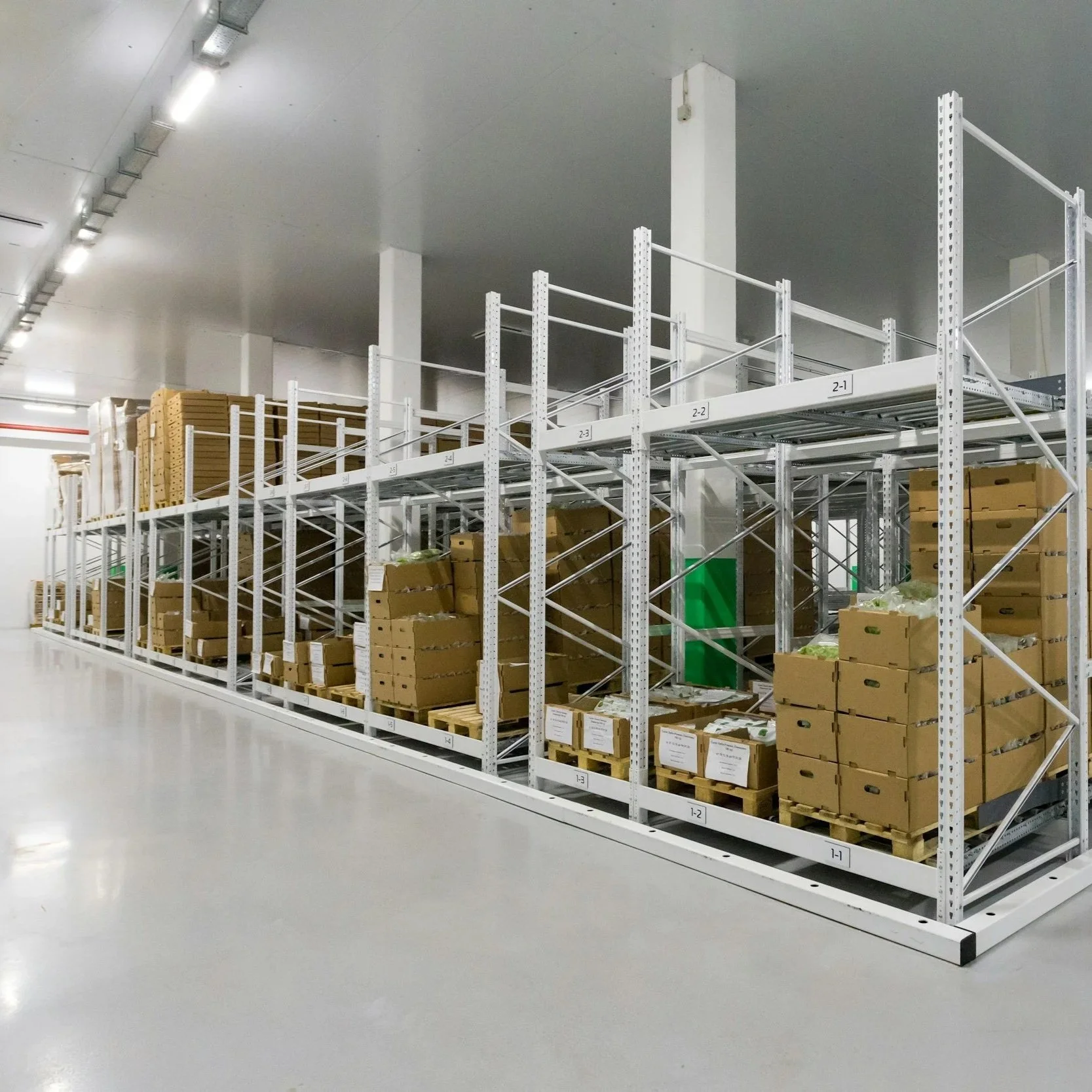
When a dock is installed with precision, it becomes a reliable asset that supports efficiency at every turn.
A well-designed commercial dock is the heart of smooth operations in many industries. It keeps goods moving in and out without bottlenecks and guarantees workers can perform their tasks without unnecessary risk. Whether it is part of a fast-paced warehouse, a busy distribution hub, or a retail store’s back-of-house loading zone, the dock is more than just a platform. It is a critical link between transportation and storage, between incoming shipments and outbound deliveries. When a dock is installed with precision, it becomes a reliable asset that supports efficiency at every turn. When it is installed poorly, it becomes a source of frustration, downtime, and unexpected costs.
The Role of Commercial Docks in Business Operations
Commercial docks handle a constant flow of goods, equipment, and vehicles. They must accommodate different truck sizes, weather conditions, and handling equipment, such as forklifts and pallet jacks. A well-thought-out dock design allows loading and unloading to happen quickly, reducing the time trucks spend idling and helping businesses meet tight schedules. It also provides safe and direct access between the shipping area and the interior of the facility.
For businesses that deal with perishable goods, sensitive materials, or high-value inventory, the dock also plays a role in maintaining product quality. Seals and shelters prevent temperature fluctuations, dust, and debris from entering the building. Vehicle restraints prevent dangerous movement during loading, and bumpers absorb impact to protect both the dock and the truck. All of these elements rely on precise installation to function as intended.
The Right Dock Setup for Maximum Performance
Not every commercial dock looks the same or performs the same function. Selecting the right dock setup begins with understanding the facility’s daily workload, the types of trucks it receives, and the kind of goods it handles. High-volume shipping centers may need heavy-duty hydraulic dock levelers that adjust effortlessly to different trailer heights and handle significant weight without strain. Facilities with strict temperature control requirements, such as cold storage warehouses, benefit from insulated dock doors that help maintain internal climate conditions.
Some operations may require edge-of-dock levelers for limited space areas, while others prefer pit-style levelers for greater versatility. Safety features such as vehicle restraints and interlock systems can be integrated to prevent accidents. Professional installers assess each of these needs and recommend solutions that match both current operations and future growth plans. This level of customization helps avoid overbuying unnecessary equipment or underestimating capacity needs.
A Seamless Fit From the Start
A dock should not just be present; it should be perfectly aligned, easy to operate, and built to handle the expected workload. Precision installation starts with exact measurements, confirming that doors, levelers, bumpers, and seals fit without awkward gaps or uneven surfaces. Misalignments can cause damage to equipment, slow down loading times, and create safety hazards.
When dock components fit seamlessly, workers spend less time adjusting equipment or working around problem areas. Forklifts can enter and exit trailers smoothly without jarring bumps. Dock seals close tightly to keep out wind, rain, and pests. Even small details like the angle of a dock plate or the placement of a bumper can make a noticeable difference in how quickly and safely the dock operates.
Safety Begins With Expert Installation
A dock is not just a convenience; it is also a worksite where safety matters every second. Improperly fitted dock levelers can create unstable or uneven surfaces, increasing the likelihood of trips, slips, and falls. Loose dock bumpers fail to absorb truck impact, which can lead to costly building repairs and damaged goods. Dock seals and shelters, when poorly installed, may leave gaps that allow rain or snow to create slippery conditions.
Expert installers understand that every bolt, weld, and seal contributes to worker safety. They guarantee that levelers operate smoothly without sudden drops or jams. They mount bumpers securely so they can handle repeated impacts without shifting. They position seals to provide maximum coverage and weather protection. By taking the time to install each component correctly, they create a safer environment that protects both employees and property.
Long-Term Durability Starts With Quality Workmanship
A commercial dock faces constant stress from heavy loads, moving vehicles, and changing weather conditions. Without proper installation, even high-quality equipment can wear out prematurely. A strong installation includes reinforced mounting, solid anchoring, and proper alignment to reduce unnecessary strain on moving parts.
When docks are installed with care, they require fewer repairs and last longer before needing replacement. This saves businesses both money and operational downtime. Instead of dealing with sudden breakdowns or malfunctioning levelers during peak shipping hours, companies enjoy consistent performance year after year. That reliability comes directly from the combination of skilled workmanship and high-quality materials.
Custom Solutions for Every Facility
Every business operates differently, which means every dock should be customized to its specific environment. A high-volume fulfillment center running 24 hours a day may need automated systems, multiple loading bays, and advanced safety features such as motion sensors and vehicle restraints. A small retail store that only receives deliveries twice a week may prefer a simple mechanical leveler and manual dock boards to keep costs manageable.
Some facilities handle hazardous materials and require extra sealing to prevent contamination. Others may need ramps for ground-level access or dock lifts to accommodate unusual truck bed heights. Professional dock installation companies can design solutions for each unique challenge, confirming that the final setup matches operational needs without adding unnecessary complexity.
The Installation Process and Why It Matters
Professional dock installation is more than just assembling parts. It starts with a site evaluation to identify the best location and orientation for the dock. This stage considers vehicle access, interior workflow, and potential hazards. Next comes measurement and planning, which determine the exact fit of each component.
During installation, technicians follow precise specifications for mounting and securing equipment. Hydraulic and electrical systems are tested to verify smooth operation. Safety features are checked to guarantee they meet compliance standards. Finally, the dock is inspected under actual working conditions to confirm that it performs exactly as intended.
Each step of this process contributes to the overall performance and longevity of the dock. Skipping or rushing any part of it can lead to costly problems later on, from premature wear to outright equipment failure.
Maintenance Benefits from a Good Installation
A dock that is installed correctly is easier to maintain. Parts wear evenly, which means they can be serviced or replaced on predictable schedules rather than in emergency situations. Regular inspections become more straightforward because equipment is positioned and aligned for easy access.
For example, if dock seals are properly aligned from the start, they can maintain their shape and compression longer, requiring less frequent replacement. If levelers are installed with balanced weight distribution, hydraulic or mechanical parts may experience less stress, reducing repair frequency. This lowers the total cost of ownership and minimizes disruptions to daily operations.
Expert Installation Pays Off in the Long Run
Choosing professional dock installation is not just about completing the job quickly. It is about completing it right so that the dock performs reliably for years to come. Businesses that invest in expert installation enjoy smoother operations, reduced accident risks, and fewer costly repairs. They also benefit from the installer’s knowledge, which can guide them toward selecting the right equipment and layout for their specific needs.
With precise alignment, durable construction, and features customized to the facility, a professionally installed dock becomes a dependable part of daily operations. It supports worker safety, protects goods in transit, and keeps the flow of shipments steady. Over time, that reliability adds up to significant cost savings and greater operational confidence.
When you need commercial dock installation and replacement, dock repair, dock maintenance, and gate installation and repair to enhance your businesses’ efficiency and security in La Mirada, CA, call Prime Dock & Door LLC. We ensure seamless goods transfer, to minimize delays and labor costs. Our skilled technicians use the best materials to ensure lasting results. Count on us for prompt, reliable, and professional commercial dock solutions. Open 24/7. Call today!
